A Step-by-Step Guide to Customising Your Fundraising Page
Fundraising pages make it easy to rally support for personal needs, community efforts, or charitable causes. They give people a place to share their story, set a clear goal, and collect donations online. With updates, photos or videos, and secure payments, supporters can quickly see where their help is going. A well-built page does more than raise money, it builds trust and encourages others to join in and share the cause.
Creating an online fundraising page is one of the most accessible ways to raise money for a cause today, but launching one is easy. The real work is in how you customize it.
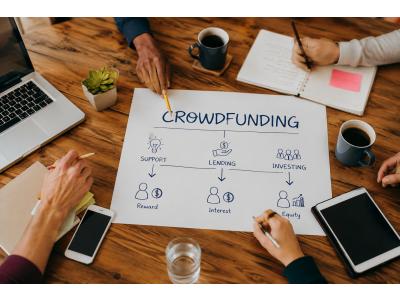
Individuals, nonprofits, community groups, and schools are all doing this now. Medical bills, emergency situations, charity drives, donors can support any of it securely from their phones, without anyone chasing checks or collecting cash in person. Crowdfunding platforms made that normal.
What actually determines whether your campaign raises money or stalls out is the page itself, the message, the layout, the story. Get those right, and you've got something worth sharing.
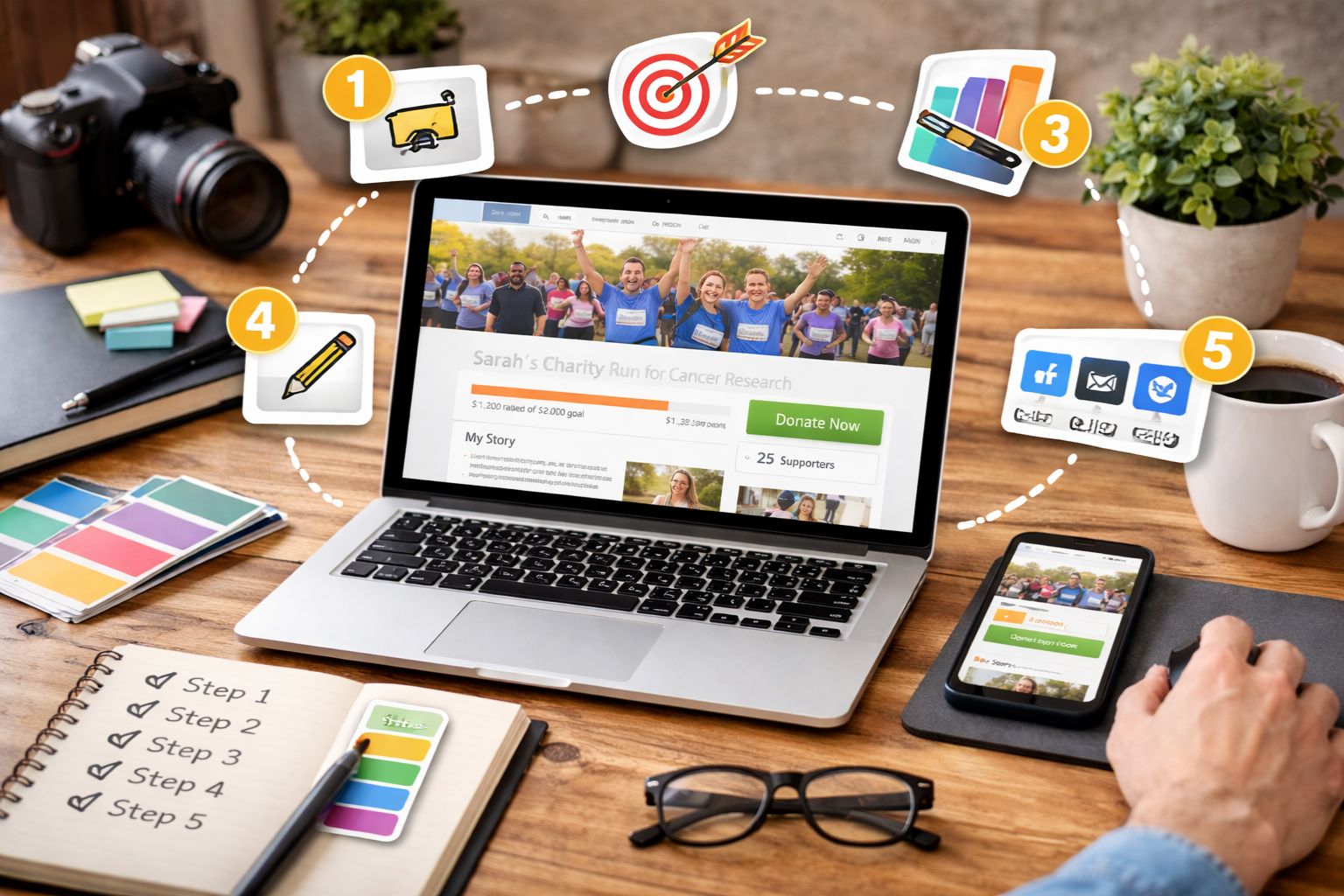
In this guide, you'll learn how to tailor your campaign page, strengthen your fundraising page design, and build an online fundraiser that brings in real support.
What Is Fundraising Page Customization?
Put simply, fundraising page customization is the process of shaping what your donation page looks like, how it reads, and what it communicates, so that strangers who land on it actually understand what you're doing and feel moved to help.
Most modern fundraising tools give you a fully customizable page to work with. Images, your campaign story, updates, and visual layout, you control them. That flexibility matters because no two campaigns are the same, and a one-size-fits-all approach rarely works.
Think about it this way: a personal fundraising campaign for someone's cancer treatment is going to look and feel completely different from a nonprofit running a community rebuilding project. The first needs warmth, personal detail, and emotional honesty. The second might lean into scale, impact data, and organizational credibility. Same tool, very different execution.
A lot of crowdfunding campaigns also use customization to layer in branding elements, progress bars, and donor updates, all of which keep supporters engaged well past the launch-day buzz.
When it works, a well-organized fundraising page removes friction. Visitors understand the campaign without having to dig for information, and donating feels like an obvious, natural next step rather than a chore.
Why Customizing a Fundraising Page Matters
There's a common assumption that once your fundraising page is live, the hard work is done. Share the link a couple of times, and donations will trickle in. In reality, that's rarely how it plays out.
Major crowdfunding platforms have observed this consistently, campaigns that clearly state a specific goal and explain the situation in plain language bring in significantly more donations than pages that leave visitors piecing things together. People want to know the why before they commit to anything. What happened? Where does the money go? Why now?
Then there's the visual side. Photos and short videos do something text simply can't, they create an emotional connection almost instantly. A photo of a family in a difficult situation, or footage of a community project taking shape, speaks in a way that three well-written paragraphs sometimes don't. That's not sentimentality, that's just how people process information and decide whether to act.
Trust is the other piece of this puzzle. A thoughtfully designed page with visible progress, clear numbers, and genuine transparency signals that this is a real effort run by real people who know what they're doing. Donors are more cautious than most fundraisers realise. Anything that feels vague, rushed, or unfinished gives them a reason to hesitate.
Get all of this right, and you don't just get donations, you get people who care enough to share your campaign with their own networks, which is where real growth happens.
None of this requires technical expertise. Most platforms are built for people who've never designed a webpage in their lives. You can have a fully customized, professional-looking campaign page ready in under an hour.
Step 1: Create Your Fundraising Page
Before any customisation happens, you need to get the basics of your online fundraising page set up.
Every platform will ask for the same core things: a campaign title, a short description of what you're raising for, and a fundraising target. Get those locked in, and your page is live. From there, you can start building.
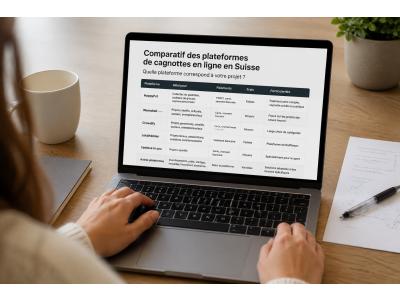
GoFundMe is probably the most recognised name in this space, they helped make individual online fundraising feel normal and accessible. But there are now plenty of solid alternatives designed specifically for community fundraising, nonprofit campaigns, or personal causes, so it's worth looking at a few before committing.
Once your page is active, you'll have access to a campaign dashboard. That's your control centre, you can track donations as they come in, monitor how supporters are engaging, and post updates whenever there's news to share.
Pro Tip: Your campaign title is the first thing anyone reads, and most people decide in a few seconds whether to keep going. "Help Fund Maria's Medical Treatment" immediately tells a story. "Support Maria" tells you almost nothing. Clarity wins every time.
Step 2: Write a Clear Campaign Story
If there's one part of your page that deserves more time and thought than anything else, it's the campaign story.
You don't need to write an essay. In fact, please don't. What you need is a short, focused narrative that answers three things: what happened or what the situation is, why help is needed right now, and what a donation will actually make possible.
That's it. When someone can read your story and immediately picture the impact of their contribution, they stop being a passive visitor and start feeling like they have a role to play. That's exactly the mindset behind effective social fundraising, supporters who understand the cause become the people who share it, talk about it, and bring in new donors you'd never have reached on your own.
Pro Tip: Don't write your story once and forget about it. Campaigns that post updates as things develop, even small ones, consistently build more trust over time and tend to attract ongoing support rather than a single spike of donations at launch.
Step 3: Add Images or Video
Words matter, but visuals do something different. A single strong photograph can communicate more about a campaign in two seconds than a paragraph of text can in two minutes.
Photos of the people involved, the place, the project, and the community personalise a campaign and lend it authenticity. They answer the silent question every potential donor has: "Is this real?" Video takes that even further. If you can speak directly to the camera for 60 seconds and explain what you're doing and why, do it. People connect with people.
Even smaller visual elements, such as a simple banner, a campaign graphic, or a well-chosen thumbnail, contribute to the overall impression. It signals that someone put care into this. And when people sense care, they trust the campaign more.
A page with good visuals doesn't just look better, it also conveys information more effectively. It converts better. That's the practical truth of it.
Step 4: Improve the Page Layout
Your layout has one job: make donating as easy and obvious as possible.
Within the first few seconds of landing on your page, a visitor should be able to see where to donate, understand what the campaign is about, and get a sense of how far along you are toward the goal. A progress indicator is genuinely motivating, it tells donors they're contributing to something with momentum, not throwing money into a void.
Most fundraising platforms handle the payment side well out of the box. Secure payment processing, including credit cards, digital wallets, and PayPal, is standard. Some platforms also support regional options like TWINT, which is worth knowing if your campaign has a strong Swiss supporter base, since many people there prefer mobile payments for quick transactions.
The smoother and more secure the checkout feels, the more people will actually complete it. Friction at the payment stage is where campaigns quietly lose donations they should have had.
Step 5: Customize Branding and Campaign Identity
You don't need to go overboard here, but branding does matter more than most people expect.
Adding a logo, a banner image, or even just consistent colours that tie back to your cause makes the page feel like it belongs to someone, a real person or organisation with a clear identity. That alone increases credibility.
Some campaigns go further and add community-driven features like contributor lists or leaderboards. These aren't just cosmetic. They tap into something real, people like being seen as supporters, and a public list of donors quietly encourages others to join. Nobody wants to be the person who didn't show up.
Consistent visual identity also pays off beyond the page itself. When your fundraiser appears on social media, in a WhatsApp group, or in someone's email, a recognisable look helps it stand out from the dozens of other things competing for attention.
Fundraising Landing Page Tips to Increase Donations
Getting the page built is one thing. Getting it to actually perform is another.
The best fundraising pages share a quality that's harder to define but easy to feel: they don't make visitors work. The campaign's purpose is clear within seconds. The donation button is right there, not buried three scrolls down. The process feels trustworthy from start to finish.
Transparency about money is something many fundraisers shy away from, and it costs them. Donors want to know exactly how the money pot will be used. They also want to know if the platform charges service or processing fees. Being upfront about these things doesn't put people off, it actually does the opposite. It signals honesty, which is exactly what people need to feel before they part with their money.
Sharing is probably the single highest-leverage thing you can do after launch. When supporters post your campaign through messaging apps, on social media, or in emails to their networks, you gain access to audiences that no amount of paid promotion could buy you. That kind of social fundraising is organic, trust-based, and often the reason campaigns far exceed their initial targets.
Common Fundraising Page Mistakes
Some campaigns never gain traction, and the reasons are almost always the same.
The most common one is a campaign description that doesn't actually explain anything. Visitors who can't figure out what the fundraiser is for within the first ten seconds won't stick around to find out. They're gone.
No visuals is the next big one. A page with no photos or video feels anonymous and oddly suspicious. Even a single decent photo can dramatically change the feel of a page.
The third mistake, and it's surprisingly common, is launching without a clear target amount. A fundraiser without a specific goal gives donors no frame of reference. They can't tell whether their contribution is meaningful, and that uncertainty is often enough to stop them from giving at all.
These aren't small oversights. Each one genuinely costs campaigns donations that could otherwise have been there. And since raising money online is competitive, there are a lot of campaigns out there, you can't afford to hand people a reason to pass.
Conclusion
Here's the bottom line: the actual launch of a fundraising page is maybe 10% of the work. The customisation, the story, the visuals, the layout, the trust signals, these are where campaigns are won or lost.
The good news is that today's fundraising tools make doing this well genuinely achievable for anyone. Customizable campaign pages, real-time dashboards, progress tracking, secure payment integration, and the infrastructure are all in place. The question is whether you use it thoughtfully.
When you do, something shifts. Your fundraiser stops being just a page with a donation button and starts being something people actually want to get behind and tell others about.
Frequently Asked Questions
Can I create my own fundraiser online?
Yes, absolutely. Most fundraising platforms let anyone start a campaign in just a few steps. You simply set a goal, explain your cause, and share the page so people can donate.
How do I create a virtual fundraiser?
Start by choosing a crowdfunding or fundraising platform and creating your campaign page. Then share it with friends, family, and supporters through social media, email, or messaging apps.
What is the most profitable fundraiser?
Online fundraisers often raise the most because they’re easy to share and don’t require high upfront costs. A strong story and active promotion can help you reach a much larger audience.
Is there a free fundraising platform?
Yes, many platforms let you launch a fundraiser for free. They usually only take small transaction or processing fees when donations are made.
How much money can a fundraiser make?
There’s no fixed amount. It depends on how compelling your campaign is and how widely it’s shared. Fundraisers with clear stories and strong community support tend to raise more.
How do I raise money online for a cause?
Create a fundraising page, clearly explain your cause, and set a goal. After that, share the campaign with your network through social media, email, and messaging to encourage donations.
What payment methods are used for online donations?
Most fundraising platforms accept credit and debit cards, digital wallets, and services like PayPal. Some may also support local payment options depending on the region.